How to Make Traditional Cumberland Rum Butter (and What to Serve It With)
There are two butters you might put on a Christmas pudding, and only one of them belongs to Cumbria. Brandy butter is pale, soft and largely a southern habit. Cumberland rum butter is darker, thicker with brown sugar, generous with dark rum, and it turns up in Cumbrian kitchens long before December — spread on a warm bannock after a christening, stirred through porridge on a cold morning, or eaten from the jar with a spoon, which is not something we need to discuss further. It takes about fifteen minutes to make, keeps for weeks and costs very little. Here is how to make it properly, and what to do with it once it is made.
What Makes Cumberland Rum Butter Different
At heart it is a hard sauce: butter creamed with sugar and spirit until it holds its shape. The sugar is where it parts company with brandy butter. Brandy butter is usually made with icing or caster sugar and stays pale; Cumberland rum butter uses soft brown sugar, so it comes out the colour of fudge, with a faintly grainy texture and a caramel edge. Dark or navy rum does the rest.
Every household's version is slightly different. Some use equal weights of butter and sugar; others go heavier on the sugar for a stiffer butter that can be sliced rather than spooned. Nutmeg is the usual seasoning, sometimes a little cinnamon, and grated orange zest has crept into more modern recipes. Traditionally it is associated with christenings in Cumbria, where a bowl of rum butter with bread or bannock was passed round to visitors, and it has been a Christmas fixture in the county for far longer than anyone can pin down.
The Ingredients
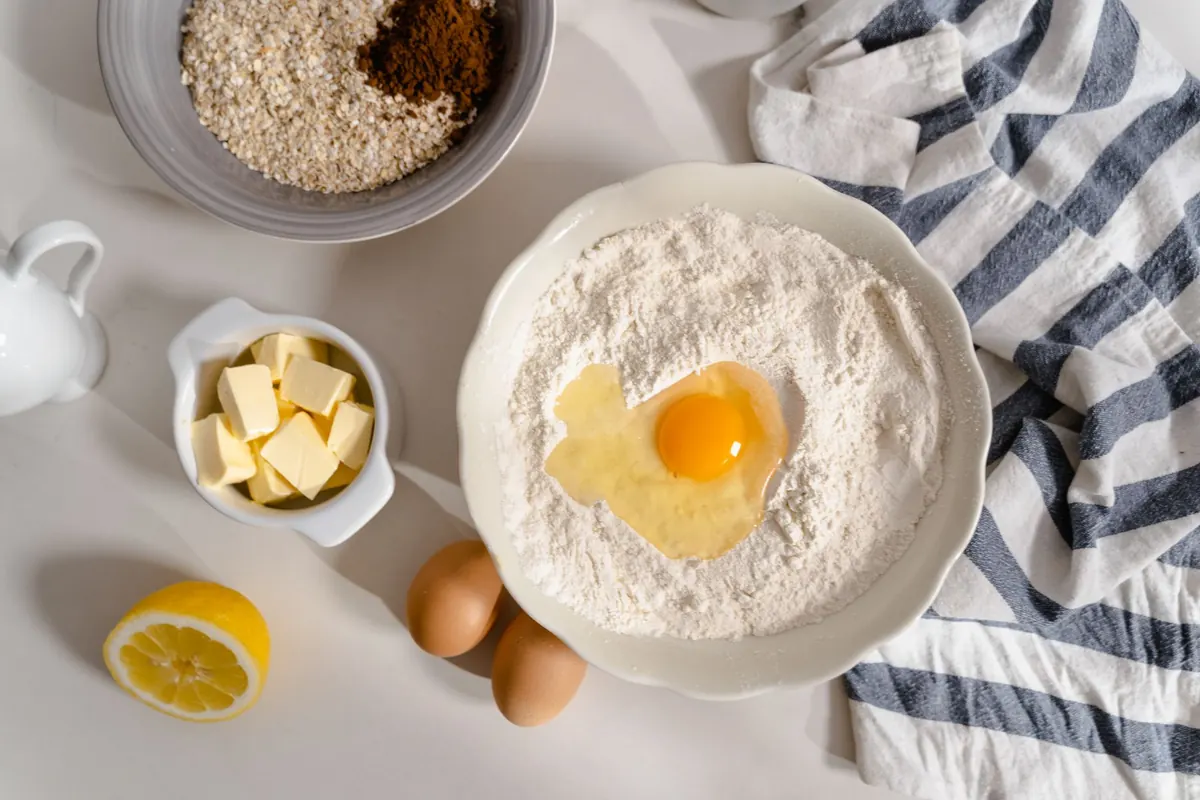
- 250g unsalted butter, very soft but not melted — or salted butter, in which case leave out the extra salt
- 300–350g soft light brown sugar. Use the larger amount for a firmer butter that slices; a mix of light brown and dark muscovado gives a deeper flavour
- 4–6 tbsp dark rum, added to taste
- A good grating of nutmeg, plus extra to finish the top of each jar
- A pinch of fine salt
- Optional: a pinch of ground cinnamon, half a teaspoon of vanilla extract, or the finely grated zest of half an orange
- Three or four small jars, sterilised
This makes roughly 600g, which sounds like a lot until you remember how quickly a jar disappears over Christmas.
A note on the rum — and an alcohol-free version
Dark rum is what you want; white rum tastes thin here. Spiced rum works, but taste as you go, because it is usually sweeter than plain dark rum. A splash of brandy or whisky in place of part of the rum is not unusual in older Cumbrian recipes. If you are making a jar for someone who avoids alcohol, rum extract from the baking aisle plus a tablespoon of orange juice gives a surprisingly convincing result — use about two teaspoons and taste before you commit.
The Method
- Beat the butter on its own first. Three to five minutes with an electric mixer, until it is genuinely pale and fluffy. This is the step most people cut short, and the air you work in now is what stops the finished butter tasting merely greasy.
- Add the sugar in three or four goes, beating well between each addition. The mixture will look thick and slightly granular. That is the brown sugar behaving normally; it will not dissolve into the butter.
- Add the rum one tablespoon at a time, beating after each spoonful. Tip it in all at once and the mixture can split.
- Beat in the nutmeg, salt and any extras, then give it another full minute. Scrape down the bowl and beat again — there is always a pocket of unmixed butter at the bottom.
- Taste it. More rum, more sugar, a little more nutmeg. It should be rich and faintly boozy, not harsh.
- Spoon into jars. Press down firmly with the back of a spoon to knock out air pockets, smooth the surface and dust with nutmeg.
- Chill for at least an hour to firm up before serving.
If it splits or looks grainy
A curdled, separated mixture is almost always a temperature problem: cold butter, or rum added too quickly. Sit the bowl in a sink of warm water for a minute and beat hard — it will usually come back together. If it does not, beat in a tablespoon of soft butter. The grainy look of the sugar, on the other hand, is not a fault. That slight chew is part of the character.
What to Serve With Cumberland Rum Butter
- Hot Christmas pudding. The classic, and still the best thing you can do with it.
- Warm bannock or oatcakes. The traditional Cumbrian pairing, and how it would have been handed round at a christening.
- Toast, crumpets, scones, fruit loaf or malt loaf. Anything with a bit of crumb and a decent crust.
- Pancakes and drop scones, straight from the pan so it melts into the surface.
- Swirled through porridge, or spooned over stewed apple or roasted plums.
- Mince pies, gingerbread and parkin. It is a Christmas table spread, after all.
- Melted over a baked apple or a hot bread-and-butter pudding. Add a spoonful at the table and let it go.
- A thin scrape on an oatcake with a slice of crumbly cheese, if you like the sweet-savoury combination.
Serve it at room temperature
Straight from the fridge it is firm enough to tear a slice of bread, so take the jar out twenty minutes before you need it. On a hot pudding it will soften on contact anyway; on bread it needs a fighting chance.
Storing It, Gifting It, Making It Ahead
Keep the jars in the fridge, where the butter will last three to four weeks thanks to the sugar and the rum. It also freezes well for up to three months — thaw it overnight in the fridge rather than at room temperature, which can make it separate.
Making it a week ahead is a good idea. The rum and sugar settle into each other over a few days, and the flavour deepens noticeably. Sterilise your jars by washing them in hot soapy water, rinsing well and drying them in a low oven for fifteen minutes or so; fill them while both jars and butter are still slightly warm.
A jar of rum butter with a fruit cake or a bag of oatcakes makes a proper Cumbrian gift. Label it with the date and a note to keep it refrigerated, and mention the alcohol content if you have used real rum.
A Few Last Tips
Weigh your sugar rather than guessing. Too little and the butter stays loose and won't hold its shape; too much and it turns gritty and stiff. Make a small batch first, taste it, then scale up for gifts.
Buy the best butter you can justify, because there is nothing in this recipe to hide behind — it is butter, sugar, rum and nutmeg, and the quality of each one shows. And do not be tempted to keep adding rum to prove a point. The alcohol should be present and warm, not sharp.
Finally, if you would rather buy than make, Cumberland rum butter is sold in delis, farm shops and market stalls across Cumbria, usually alongside Kendal mint cake and Grasmere gingerbread. It is worth trying a bought jar once, if only to see how yours compares.
Photo: MART PRODUCTION / Pexels